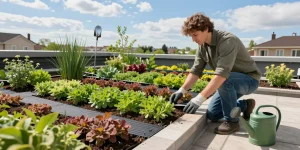
Essential Guide to Rabarber Planten: Master Planting Techniques for 2026

Understanding Rabarber Planten: Essentials and Benefits
Rabarber planten, commonly known as rhubarb, are a perennial plant that brings a unique touch to gardens and kitchens alike. With their tart flavor, vibrant color, and striking leaves, these plants are not only aesthetically pleasing but are also packed with numerous health benefits. Growing rabarber in your garden can be a rewarding endeavor, providing a source of fresh produce for elegant desserts and savory dishes. This article delves into the essentials of rabarber planten, exploring their benefits, care, and cultivation techniques to help you grow a thriving crop.
When exploring options, rabarber planten provide comprehensive insights into how to cultivate and care for these remarkable plants.
What are Rabarber Planten?
Rabarber, or rhubarb, is a flowering plant that belongs to the family Polygonaceae. The stalks of rabarber are commonly used in culinary applications, characterized by their distinct tartness, which can elevate both sweet and savory dishes. While the stalks are edible, the leaves are toxic due to high levels of oxalic acid and should never be consumed. Rabarber is typically grown in cooler climates and thrives in rich, moist soil, making it an ideal candidate for gardens in temperate regions.
As a perennial, rabarber plants can live for many years, providing ongoing yields once established. This longevity is one of the reasons why many gardeners cherish these plants, as a well-cared-for rabarber plant can produce for up to a decade.
Health Benefits of Rabarber Planten
The health benefits of rabarber are numerous, making it an excellent addition to a balanced diet. Rabarber is low in calories but high in essential nutrients. It is rich in dietary fiber, which aids digestion and helps maintain a healthy weight. Additionally, rabarber contains antioxidants, which are vital for fighting free radicals in the body. These antioxidants, particularly anthraquinones, have been linked to various health benefits, including anti-inflammatory properties.
Moreover, rabarber is a good source of vitamins K and C, both of which contribute to bone health and immune function. The presence of calcium and potassium adds to its nutritional profile, promoting cardiovascular health and overall well-being.
Common Misconceptions about Rabarber Planten
Despite its popularity, several misconceptions surrounding rabarber persist. One common myth is that rabarber is a vegetable; however, it is classified botanically as a fruit because it is the stalk of the plant that is consumed. Another misconception is that rabarber is difficult to grow, when in fact, with the right conditions and care, it can thrive with minimal effort.
Furthermore, there is a belief that rabarber is only suitable for desserts. While it is famously utilized in pies and jams, rabarber can also be incorporated into savory dishes, providing flavor and depth in sauces or as a side dish when cooked properly.
Optimal Conditions for Rabarber Planten Growth
Sunlight and Water Requirements
When growing rabarber, selecting the right location is crucial. These plants prefer a spot that receives full sun to partial shade, with at least six hours of sunlight per day. In areas with extreme heat, some afternoon shade can help protect the plants from scorching. Rabarber requires consistent moisture, especially during active growth stages; thus, regular watering is essential to keep the soil evenly moist but not waterlogged.
Soil Composition and Preparation for Rabarber Planten
The ideal soil for rabarber is rich, well-drained, and high in organic matter. Amending the planting area with compost or well-rotted manure before planting can significantly improve soil fertility and structure. The pH level should ideally range from 5.5 to 6.8, which can be adjusted by adding lime to increase pH or sulfur to lower it.
It’s wise to test soil fertility and pH levels beforehand, ensuring that the growing conditions are optimal for establishing a robust rabarber plant.
Common Pests and Diseases to Watch For
While rabarber is generally hardy, it can be susceptible to certain pests and diseases. Common pests include slugs, snails, and aphids, which can damage the leaves and stalks. Implementing natural pest control methods, such as handpicking or using organic insecticides, can help keep these nuisances at bay.
Additionally, rabarber can be prone to diseases such as rhubarb crown rot and leaf spots. To mitigate these issues, ensure proper spacing between plants for good airflow, avoid overhead watering, and remove any affected plant material promptly.
Planting Strategies for Rabarber Planten
Choosing the Right Varieties of Rabarber Planten
There are several varieties of rabarber, each with unique characteristics in terms of flavor, color, and growth habits. Some popular options include:
- Victoria: A traditional variety known for its thick, juicy stalks and sweet-tart flavor.
- Cherry Red: Recognized for its vibrant red stalks, this variety is often used in desserts.
- Crimson Cherry: A hybrid that produces deep red stalks and is considered sweet and tender.
Selecting the right variety depends on your taste preferences as well as your growing conditions, so consider experimenting with a few different types to find your favorites.
Step-by-Step Planting Guide for Rabarber Planten
- Prepare the Soil: Amend with organic matter and test pH levels.
- Select Planting Time: The best time to plant rabarber is in early spring or late summer, ideally when the soil temperature is consistently above 45°F (7°C).
- Space the Plants: Plant rabarber crowns about three feet apart to provide them ample space to grow.
- Water Immediately: Give your newly planted rabarber a thorough watering to help establish roots.
- Mulch: Apply a layer of mulch to retain soil moisture and suppress weeds.
Best Times to Plant Rabarber Planten in 2026
For optimal growth and establishment, 2026 will see varied planting windows depending on geographical location. In the Northern Hemisphere, late March through April is typically ideal for spring planting, while late August through September serves as an excellent time for fall planting. Always consider local climate conditions and adjust the planting schedule as necessary.
Caring for Your Rabarber Planten
Watering and Fertilization Techniques
Throughout the growing season, maintaining consistent moisture is vital for rabarber plants. Water them deeply at least once a week, especially during dry periods. Fertilization should occur in early spring as new growth appears; using a balanced organic fertilizer can promote vigorous growth and higher yields.
Seasonal Care: What to Do Throughout the Year
Caring for rabarber is relatively straightforward. In spring, focus on fertilization and regular watering. During summer, continue to monitor moisture levels and remove any flower stalks that appear, as these can divert energy from the edible stalks. In the fall, after harvesting, remove any dead foliage to prevent disease and mulch the base of the plants to protect the roots during winter.
Harvesting Tips for Rabarber Planten
Harvesting rabarber should begin once the stalks reach a minimum of 12 inches in length. Gently twist and pull the stalks from the plant, taking care not to damage any surrounding stalks. Avoid cutting with a knife, as this can increase the risk of disease. Generally, the best harvest window is from late spring to early summer, after which it’s recommended to allow the plant to rest and replenish.
Innovative Trends in Rabarber Planten Cultivation
Emerging Techniques for Sustainable Rabarber Planten Farming
As interest in sustainable gardening grows, new techniques for cultivating rabarber are emerging. Innovations like permaculture principles encourage planting rabarber within diverse ecosystems that foster biodiversity, improving overall resilience. Cover cropping during the off-season can enhance soil quality, providing essential nutrients to rabarber in the subsequent growing season.
Community Gardening and Rabarber Planten: Joining Local Efforts
Community gardening has gained momentum, showcasing the benefits of growing rabarber not just for individual use but as a shared resource. Many community gardens include rabarber as a staple crop, helping novice gardeners learn from more experienced ones while fostering a sense of community and shared purpose.
Future Trends in Rabarber Planten Cultivation by 2026
Looking ahead to 2026, the trend towards organic and regenerative farming practices is likely to continue shaping the cultivation of rabarber. As consumers become more health-conscious and environmentally aware, the demand for sustainably grown produce—including rabarber—is expected to increase. Additionally, researchers are exploring disease-resistant varietals that could benefit growers by reducing the reliance on pesticides.
How do you care for rabarber planten?
Caring for rabarber involves consistent watering, fertilization during the growing season, and ensuring proper spacing for air circulation. Regularly removing flower stalks will help the plant focus energy on producing edible stalks.
When is the best time to plant rabarber planten?
The best time to plant rabarber is in early spring or late summer, taking into account local climate conditions to maximize growth and establishment.
What are the common pests affecting rabarber planten?
Common pests that can affect rabarber include slugs, snails, and aphids. Implementing organic pest control methods can effectively manage these pests.
How do you harvest rabarber planten correctly?
Harvest rabarber by gently twisting and pulling the stalks from the plant once they reach a length of at least 12 inches, ensuring not to damage adjacent stalks.
Can rabarber planten be grown indoors?
Yes, rabarber can be grown indoors, but it requires a large pot and sufficient light to thrive. Indoor cultivation may limit the size of the plant, but it can still produce enjoyable yields.